A Guide to Payday Loans: Advantages, Disadvantages, and Alternatives
Payday loans have become a common financial tool for those in need of fast funds. These short-term loans can provide immediate relief but typically involve elevated interest rates and assertive collection methods. Although they might appear to be a practical choice for certain borrowers, the underlying dangers may result in more serious financial difficulties. Grasping both the benefits and drawbacks is crucial. What other options are available that might provide a more lasting remedy? The answers may surprise you.
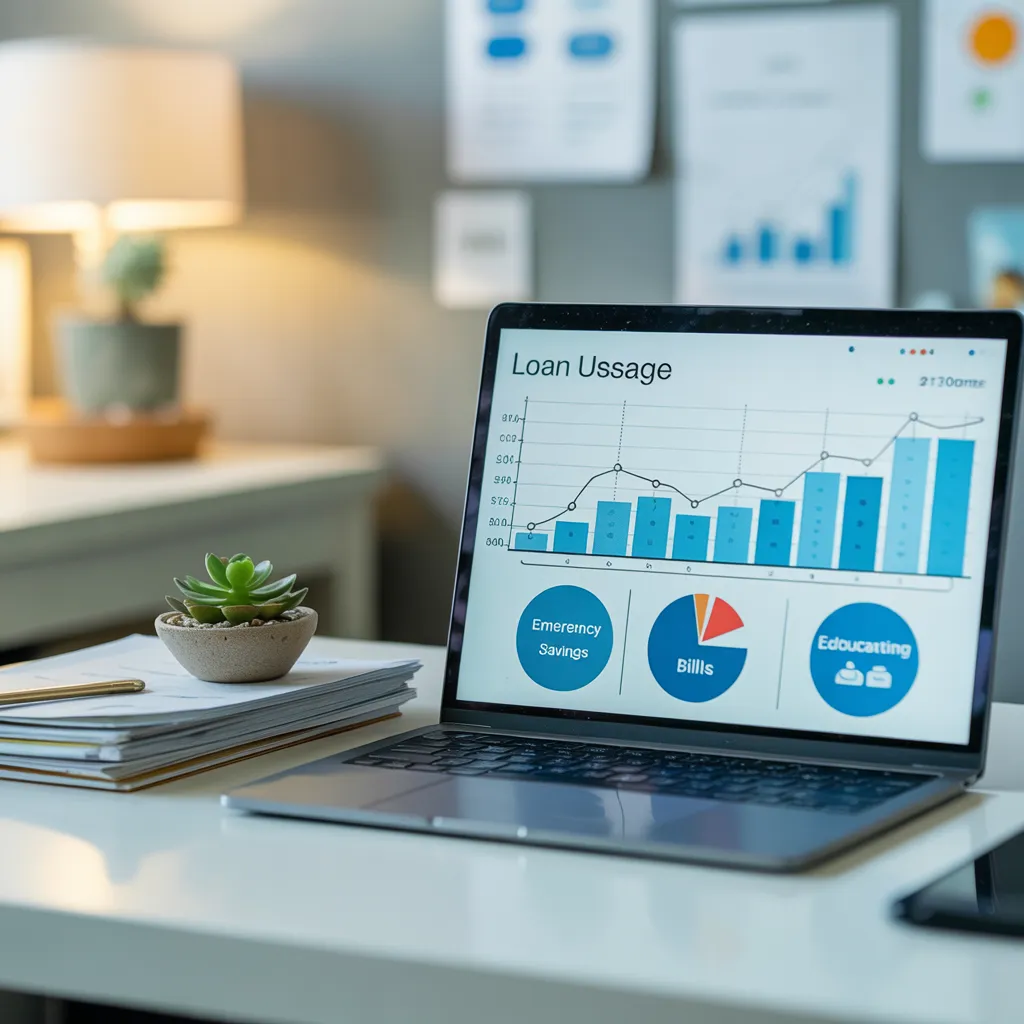
Payday Loans Explained: What They Are and How They Work
Payday advances are short-term, high-interest lending solutions intended to offer instant funds to applicants encountering unexpected expenses. Generally, these loans vary from $100 to $1,000 and are meant to address expenses until the recipient obtains their following paycheck. The request process is typically uncomplicated, frequently demanding limited paperwork, which benefits people experiencing urgent financial hardships.
Borrowers typically write a future-dated check or approve an electronic withdrawal for the borrowed amount along with applicable fees, which can be substantial. The repayment term usually covers a two to four week timeframe, corresponding to the borrower's next payday. Failing to settle the loan on time can lead to extra charges and possible debt cycles, as borrowers may need to obtain new loans to pay off existing ones. Understanding the mechanics of payday loans is vital for individuals considering this option as a rapid monetary solution.
The Risks of Payday Loans You Need to Know?
Although payday loans might appear to be a convenient solution for financial crises, they come with considerable dangers that can compound a borrower's existing difficulties. High interest rates are a primary concern, often exceeding 400% annually, resulting in unmanageable repayment totals. A large number of borrowers get caught in a recurring debt pattern, taking out new loans to repay old ones, leading to mounting financial pressure. Moreover, the brief repayment window—typically two weeks—can pressure individuals into making hasty decisions without thoroughly comprehending the conditions. Missed payments can attract extra charges, adding more complexity to financial situations. Beyond that, payday loans can harm credit standings if installments are not met, narrowing available credit choices. Individuals should remain conscious of aggressive collection practices that may arise when loans are not repaid on time. These concerns emphasize the value of examining available alternatives prior to selecting a payday loan.
The Benefits of Payday Loans
Payday loans provide numerous benefits that render them appealing to individuals in need of quick funds. With quick access to cash and few qualification requirements, they can serve as a viable option for individuals facing urgent financial situations. Moreover, adaptable repayment options can enable borrowers to manage their financial obligations more effectively.
Quick Access to Cash
Obtaining fast funds can be a significant advantage for borrowers experiencing sudden costs or monetary crises. Short-term loans provide a speedy option, typically supplying cash within a single working day. This urgency can prove critical for those needing to cover urgent bills, medical expenses, or car repairs. In contrast to conventional loans, which often require extended review periods, short-term loans generally need limited paperwork and are accessible via the internet. This expedited access allows borrowers to address their financial needs swiftly, minimizing the anxiety linked to late bills. Furthermore, the ease of accessing funds whenever needed can make payday loans an appealing option for those caught in a financial bind, allowing them to restore stability to their finances more quickly.
Basic Eligibility Requirements
A large number of borrowers appreciate the minimal qualification requirements of short-term loans advantageous, as these lending products generally require minimal paperwork and limited qualifying standards than standard loan products. Applicants generally only need to submit evidence of earnings and identification documents, rendering the application process simple and direct. This level of availability proves especially helpful for those with limited credit histories or poor credit scores who often face challenges qualifying for standard loans. Furthermore, payday loan providers often forgo detailed credit assessments, permitting more rapid availability of financial resources. This streamlined approach can serve as a vital resource for individuals facing urgent financial needs, permitting them to access money without the extended processing times linked to conventional banking establishments. Consequently, limited qualifying standards accommodate a diverse group of individuals.
Adaptable Repayment Solutions
Adaptable repayment plans are a key benefit of payday loans, permitting borrowers to adjust their repayment arrangements according to their personal financial needs. Many lenders offer varied terms, enabling borrowers to choose a repayment schedule that aligns with their pay dates. This versatility can reduce the pressure of swift repayment, giving borrowers the chance to handle their finances more efficiently. Moreover, select lenders may accommodate changes or revisions to the repayment schedule, accommodating unexpected changes in a borrower's financial circumstances. This adaptability can be essential for individuals facing temporary cash flow issues, as it renders the repayment journey more accessible and less demanding, thus fostering a more constructive attitude toward borrowing and money management.
Who Should Consider Taking a Payday Loan?
People facing financial emergencies could discover short-term loans to be a practical choice for immediate relief. Those with limited access to standard financial institutions commonly rely on these loans to cover pressing financial needs. Knowing the situations that warrant such a course of action is critical for sound financial decision-making.
Financial Hardships and Emergency Needs
Financial emergencies can arise unexpectedly, leaving some in urgent need of quick cash solutions. People dealing with unforeseen medical costs, vehicle repairs, or surprise expenses might view payday loans as a practical solution. Such loans provide rapid access to money, generally without rigorous credit assessments, making them attractive to individuals with restricted financial means. Nevertheless, it is essential to acknowledge that payday loans frequently carry elevated interest rates and brief repayment periods. As a result, they may not be suitable for everyone. Those with a reliable income and a solid repayment plan may find these loans workable, while some may compound their monetary challenges. Weighing the pros and cons is vital before moving forward with a payday loan.
Constrained Access to Credit
Numerous individuals dealing with restricted credit options could explore payday loans as a viable remedy for their pressing financial circumstances. Individuals with poor credit histories, those lacking traditional banking relationships, or those who do not qualify for standard loans frequently end up in situations where payday loans look like a reasonable choice. These financial products deliver rapid access to funds without thorough credit evaluations, making them a viable option for those in urgent financial distress. However, applicants should exercise care, as high interest rates and short repayment periods can lead to a cycle of debt. Therefore, borrowers should carefully evaluate the benefits and drawbacks and investigate other possibilities, such as credit unions or community assistance programs, before proceeding with a payday loan agreement.
Exploring Alternatives to Payday Loans
What options do borrowers have to avoid turning to payday loans? Multiple solutions can be found that deliver essential financial help while avoiding the excessive charges tied to payday lending. Credit unions frequently provide modest, low-rate loans tailored for members experiencing financial hardships. In addition, personal loans available through established banks or online financial institutions can present more beneficial terms, giving borrowers the ability to pay off their balance over a greater span of time.
Another option is working out payment arrangements with lenders, which can ease urgent financial burdens without taking on additional debt. Moreover, charitable organizations and community resources may have emergency support programs available to help those in need. For people fortunate enough to have a supportive see guide network, seeking a personal loan from them may be an effective method to avoid high-interest loans. Examining these possibilities can enable individuals to make well-informed financial decisions, paving the way toward improved financial well-being and decreased dependence on exploitative loan products.
Making Wise Financial Decisions Regarding Payday Loans
Managing the complexities of payday loans requires thoughtful evaluation and understanding. Those pursuing monetary support must assess their existing financial circumstances and decide if a payday loan is truly needed. Recognizing the elevated interest rates and risk of debt spirals is essential before proceeding.
Researching different creditors can also deliver understanding into terms and conditions, helping applicants make educated determinations. Comparing alternative solutions, such as personal financing or credit guidance, can produce improved outcomes.
Moreover, borrowers should examine their repayment capacity to prevent additional financial burden. Creating a structured budget and pursuing alternative income opportunities can lessen the dependency on short-term loans.
Ultimately, making informed financial decisions about payday loans means prioritizing long-term financial health over short-term fixes. Responsible borrowing, coupled with a solid understanding of the associated risks, can empower individuals to navigate their financial challenges more effectively.
Frequently Asked Questions
What Are the Usual Repayment Terms for Payday Loans?
Standard repayment periods for payday loans span from two weeks to one month. Borrowers are generally required to repay the entire loan amount along with fees by their next payday, creating financial pressure for many who struggle to repay on time.
How Do Payday Loan Charges Measure Up to Other Lending Options?
The fees associated with payday loans are frequently much higher than those of traditional bank loans and credit cards. Such a gap renders payday loans a high-cost borrowing alternative, creating potential financial pressure for those seeking immediate cash.
Can I Refinance a Payday Loan?
It is possible to refinance a payday loan, typically by obtaining a new loan to settle the current one. However, borrowers should consider the potential for increased fees and interest, which may exacerbate financial difficulties.
Are Payday Loans Permitted in All States?
Payday loans are not authorized in every state. Rules differ significantly, with some states prohibiting them entirely, while some states apply rigorous restrictions on interest rates and lending procedures, ensuring consumer protection in the process.
What Should I Expect if I'm Unable to Repay a Payday Loan on Time?
If a borrower cannot repay a payday loan on time, they may incur additional fees, experience growing debt, or face debt recovery procedures. This scenario has the potential to damage their credit rating and financial well-being.